Common Photo Editing Mistakes That Ruin Product Images in 2024
Over 62% of online shoppers say product photos influence their buying decisions more than product descriptions. Despite this, many sellers still fall into the trap of over editing their product images. This isn't just about making a photo 'pretty.' Too much editing often leads to product misrepresentation photos that ultimately hurt your conversion rates and increase returns. I've seen this firsthand, last March I worked with an Etsy seller whose photos were so heavily retouched that customers confidently complained the product looked totally different in person.
Common photo editing mistakes occur when sellers apply tricks like excessive smoothing, color oversaturation, or aggressive background blurring, all in pursuit of that “perfect” shot. But ironically, these edits can alienate buyers seeking authenticity. The Nielsen Norman Group’s 2023 study on e-commerce usability highlights that shoppers trust photos that appear natural and straightforward over those that look overly polished or artificial.
But what exactly qualifies as over editing? This might seem subjective, but there are clear red flags. When the product color shifts noticeably after editing, or textures that matter disappear (like the weave on a fabric or the grain of leather), you've gone too far. Oddly, too much sharpening or noise removal also signals overediting because it removes detail buyers rely on. The key? Knowing when less is more.
Lighting Control: The Foundation of Minimal Editing
It’s actually pretty simple, good lighting reduces your need for heavy touch-ups. Controlled lighting setups, even just a basic soft light diffuser and Informative post reflectors, can reduce shadows and color inconsistencies. Last October, a Shopify seller shared how switching from harsh natural window light to a simple DIY softbox cut their editing time in half, with photos looking more consistent across the catalog.
Without decent lighting, editors tend to compensate by pushing brightness or contrast, which often warps the product’s look. So focus on controlling your light first before diving into Photoshop or phone apps. This foundational step largely prevents common photo editing mistakes.
Stability and Framing: Editing Starts During the Shoot
Another area sellers neglect is camera stability and consistent framing. Blurry images from shaky hands lead to excessive sharpening or artificial noise reduction. Similarly, inconsistent angles force you to edit individual shots to ‘fit’. Back in 2023, I noticed a trend where Baymard Institute researchers found that 47% of e-commerce sites with high return rates shared inconsistent product photo framing across listings.
The takeaway? Use a tripod or stable surface for shooting. And standardize your framing angles, say front, side, and 45-degree, to streamline your editing workflow and preserve authenticity. Imagine editing 40 photos that all follow the same framing rules versus 40 random angles. The former saves time and avoids overediting temptations.
Why Product Misrepresentation Photos Happen and How to Fix Them
Unrealistic Color and Texture Alteration
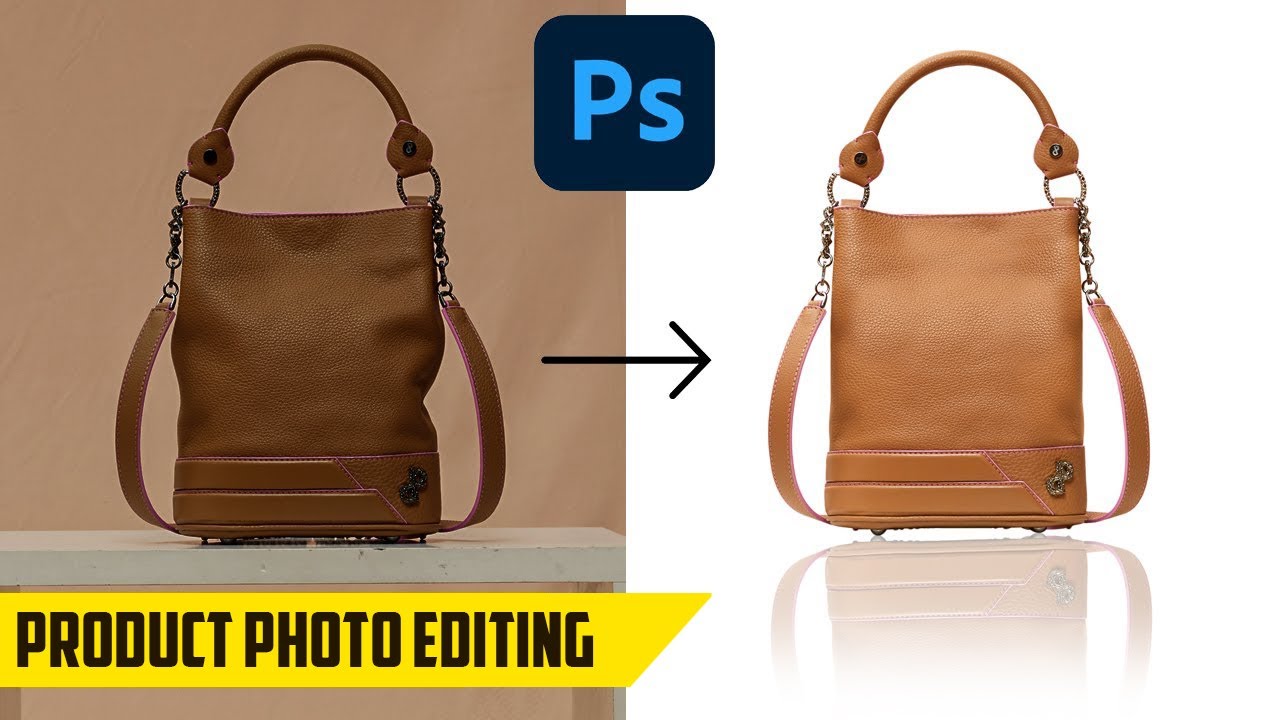
well,Product misrepresentation photos often stem from trying to make the photo “pop” by saturating colors or using filters. This surprisingly backfires because customers get a false sense of what they’re buying. I heard from a Shopify vendor last May whose leather bag photos were edited so heavily that the brown leather appeared almost black online. This caused a wave of returns and refunds, and hurt customer trust.
The Baymard Institute reports that product photos inconsistent with reality contribute to almost 22% of online returns, a costly mistake for sellers. Instead of heavy filters, subtle color correction matched to the actual product colors works better. Tools like Background Remover from 2024 software suites now offer true color retention modes specifically designed for e-commerce.
Overly Clean or Artificial Backgrounds
Sellers often use background removal tools to mimic studio quality shots. This is smart, but problems arise when the cutout looks unnatural or lacks subtle shadows. Exactly.. There’s nothing worse than a floating product effect caused by incorrect masking, which screams “over edited.” In early 2024, an eBay seller I advised was struggling because her product photos lacked realistic shadows, making shoes look like they were pasted into the scene.
Here’s where experimenting with light shadows or subtle gradients behind the product helps. Background Remover apps are great shortcuts, but you must manually adjust edge feathering and shadow layers to keep things believable.
What’s Your Fix? Simple Post-Processing Checklist
Correct white balance first before enhancing any colors Use noise reduction sparingly and avoid oversharpening Keep natural shadows and avoid overly brightened midtonesThese steps keep your product photos honest and reduce the risk of product misrepresentation photos, something that’s tough to undo after sales begin.
How Much Editing Is Too Much? Practical Guidelines to Keep Photos Realistic
The question “how much editing is too much?” doesn’t have a one-size-fits-all answer. Honestly, in my experience, it depends largely on your shooting setup and product type. For simple jewelry or small gadgets shot on white, minimal edits suffice. For clothing or textured products, heavier edits often hide flaws but risk looking fake.
But here’s something I realized after months of trial and error: studio quality isn’t about owning a $5,000 camera or lighting rig. Instead, it’s about creating a repeatable process that delivers consistent, believable images every time. That’s why sellers invested in simple step-by-step workflows reduced overediting drastically.
Lightroom or Snapseed presets for batch adjustments can standardize hue and exposure, offering a 70% efficiency boost. However, too many filters applied in sequence often amplify color risks or texture loss. Arguably, it’s best to keep your editing stack lean. Applying 3-4 targeted adjustments beats 10 layers of guesswork.
In practical terms, you should ask yourself during editing:
- Does this edit reflect the true product color and texture? Would a first-time buyer trust this photo as-is? Am I masking a poor photo, or enhancing a good one?
If the answer to any is “no,” then you likely crossed the line into over editing territory. And frankly, that’s where common photo editing mistakes begin.

Rapid Editing Tools: Friend or Foe?
Automation tools like Background Remover are surprisingly helpful in 2024. They speed up workflows by isolating the product from noisy or distracting backgrounds without a full studio setup. However, I caution sellers to pair automation with manual checks. For example, last summer, a Shopify store had nearly 10% of its photos flagged by customers as misleading because automated cutouts removed subtle product details like a chain on a necklace.
Look for tools that offer options to fine-tune edges and maintain shadow details. I've seen this play out countless times: was shocked by the final bill.. Only then will automation support, not sabotage, your authenticity.
Avoiding the Pitfalls of Over-Retouching
One mistake I once made was trying to remove every scratch or dust speck on a vintage ceramic mug. It took hours, and ironically made the product look plastic and clinical. Sometimes imperfections tell a story and build trust. Avoid excessive retouching that erases character, especially for handmade or artisanal products where buyers expect some uniqueness.
Advanced Insights: Trends in Product Photo Editing and Expert Advice for 2024
Looking ahead to 2024 and beyond, the line between natural product photos and over edited images is shifting. The Baymard Institute highlights a growing trend where authenticity is winning over glossy perfection. Consumers want product photos that help them imagine the real-world use of the item, not just showroom aesthetics.
AI-powered tools are becoming both a blessing and a challenge here. Advanced background removal, auto-enhancement, and AI color correction can reduce editing time by up to 50%. But the risk? Several sellers I've reviewed lately rely too heavily on automation and forget the human eye's critical role. AI can’t judge nuances like buyer expectations or texture fidelity well yet.
2024-2025 Editing Software Updates to Watch
Some fascinating updates this year include:
- Background Remover with AI-powered shadow reconstruction (surprisingly effective but uneven on complex edges) Color calibration tools that sync with actual product swatches for near-perfect matching Batch processing improvements that remember your preferred editing style across product lines
These features help standardize quality but require sellers to maintain hands-on control to avoid common photo editing mistakes creeping back.
Tax Implications and E-Commerce Planning Considerations
This might seem off-topic but it’s worth mentioning: sellers investing heavily in studio equipment and software licenses should factor these into their budgeting and tax planning. Equipment depreciation and software subscriptions are deductible, but over-investing without a clear process can stretch margins dangerously thin. By contrast, leveraging cloud-based editing software smartly often offers a better ROI.
From experience, I suggest a mix of DIY setups with smart use of editing tools. That balance drives higher ROI without the burden of massive overhead.
This perspective aligns with Nielsen Norman Group’s 2023 usability reports, which state that “good process beats expensive gear every time” when it comes to conversion optimization.
Interest is still growing around how augmented reality product previews and 3D imaging will reduce the need for intense editing. The jury’s still out, but 2025 might bring exciting new dynamics to product photography workflows.
And sellers who lean too heavily on traditional editing might find themselves behind the curve.
Ready to improve your product photos without unnecessary editing? First, check your lighting setup and shooting stability before pulling up editing software. Whatever you do, don’t rush your edits to “fix” poor photos, invest in getting the shot right first. It’s a small change, but it can save hours of painful re-dos and prevent common photo editing mistakes. And finally, resist overediting that changes the product's true look or texture, that’s the quickest way to lose buyer trust and rack up returns.